Japan's Food Samples: Why They Look So Real, and How My Daughter Made Her Own
Japan's most realistic craft, how my daughter fell in love with it, and how you can try it on your own trip.
My daughter was born and raised in the United States. So when we flew back to Japan for a visit, I knew she would love the food. What I did not expect was how fascinated she would be by the food in the restaurant windows.
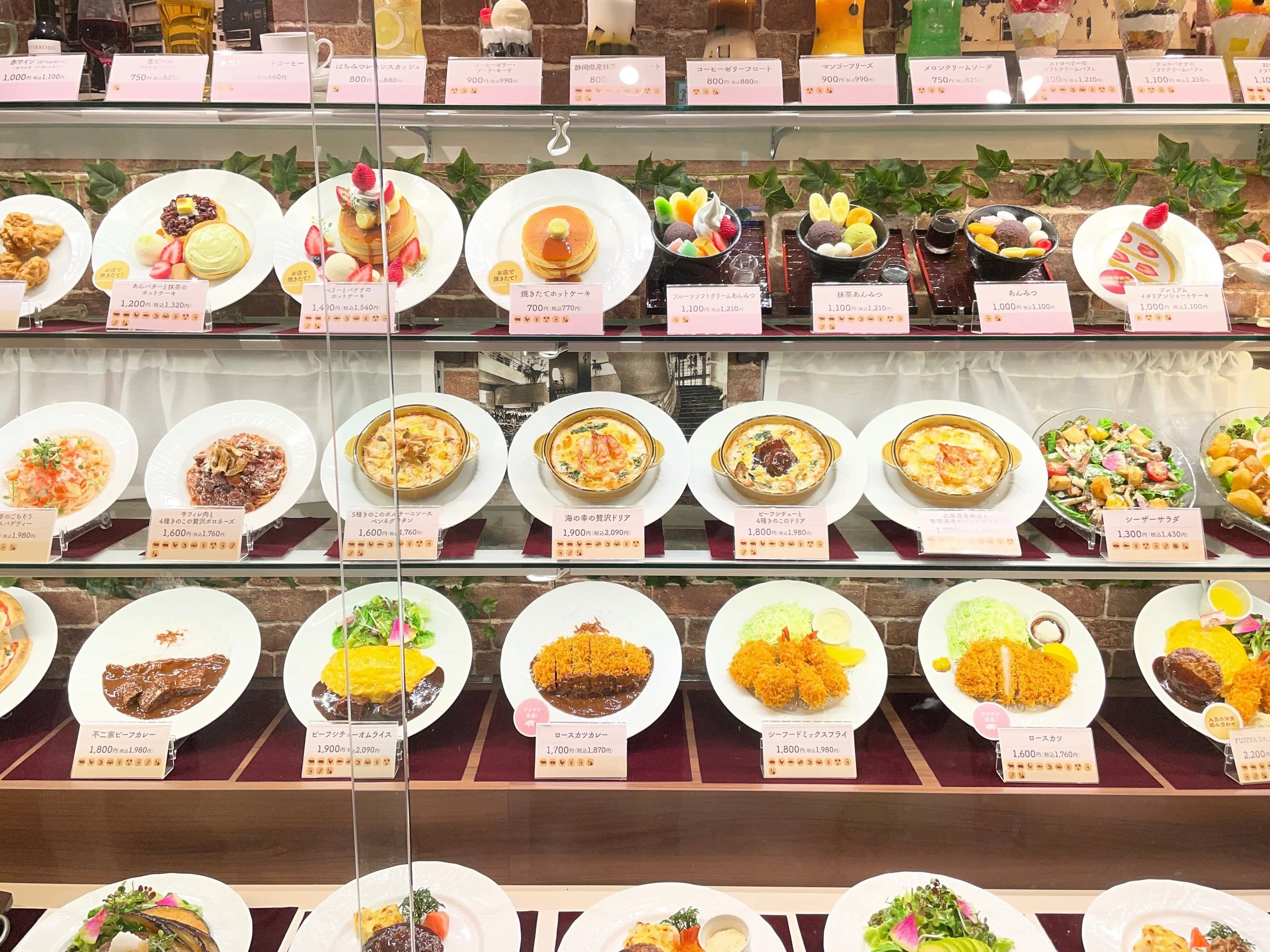
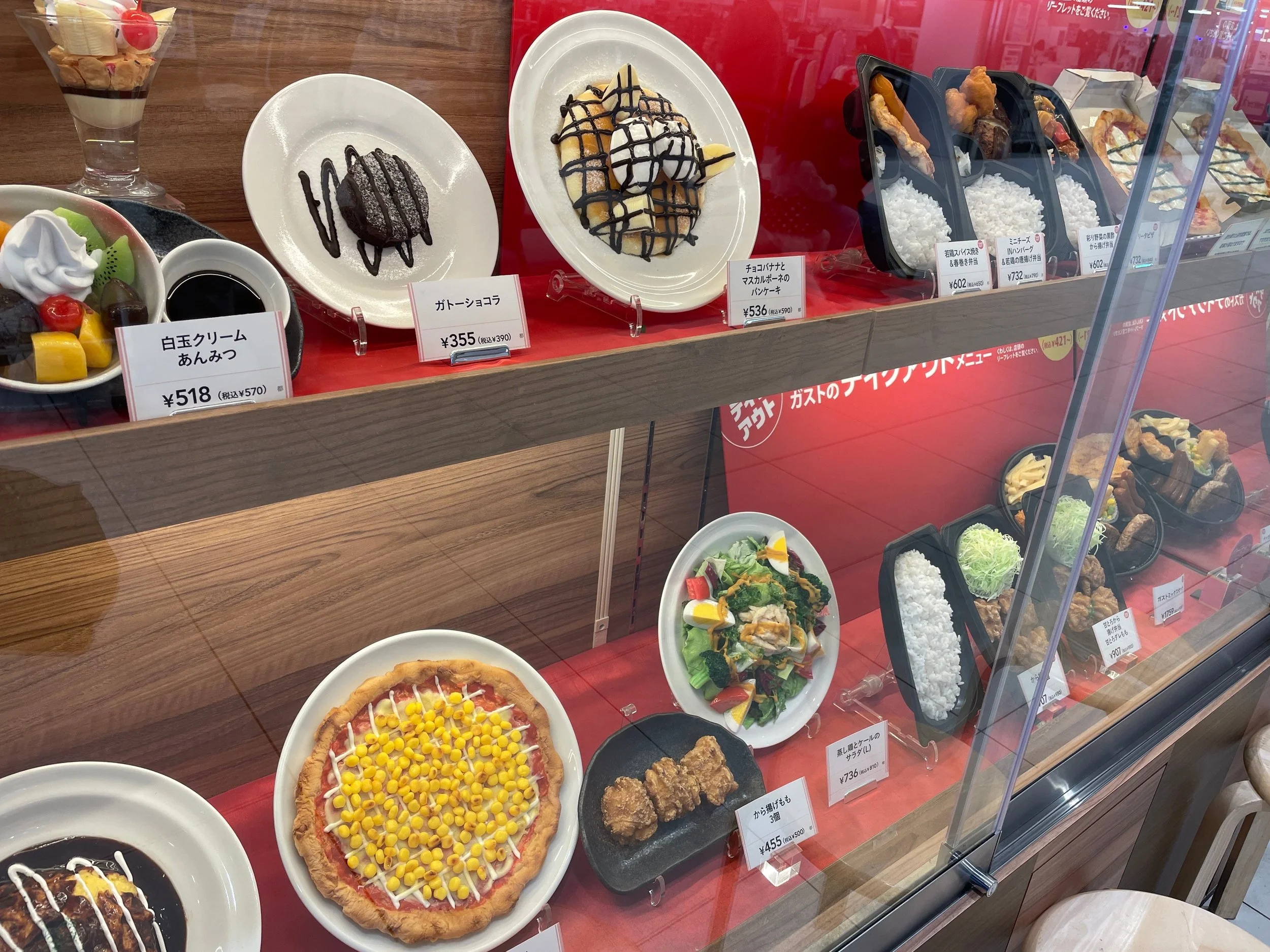
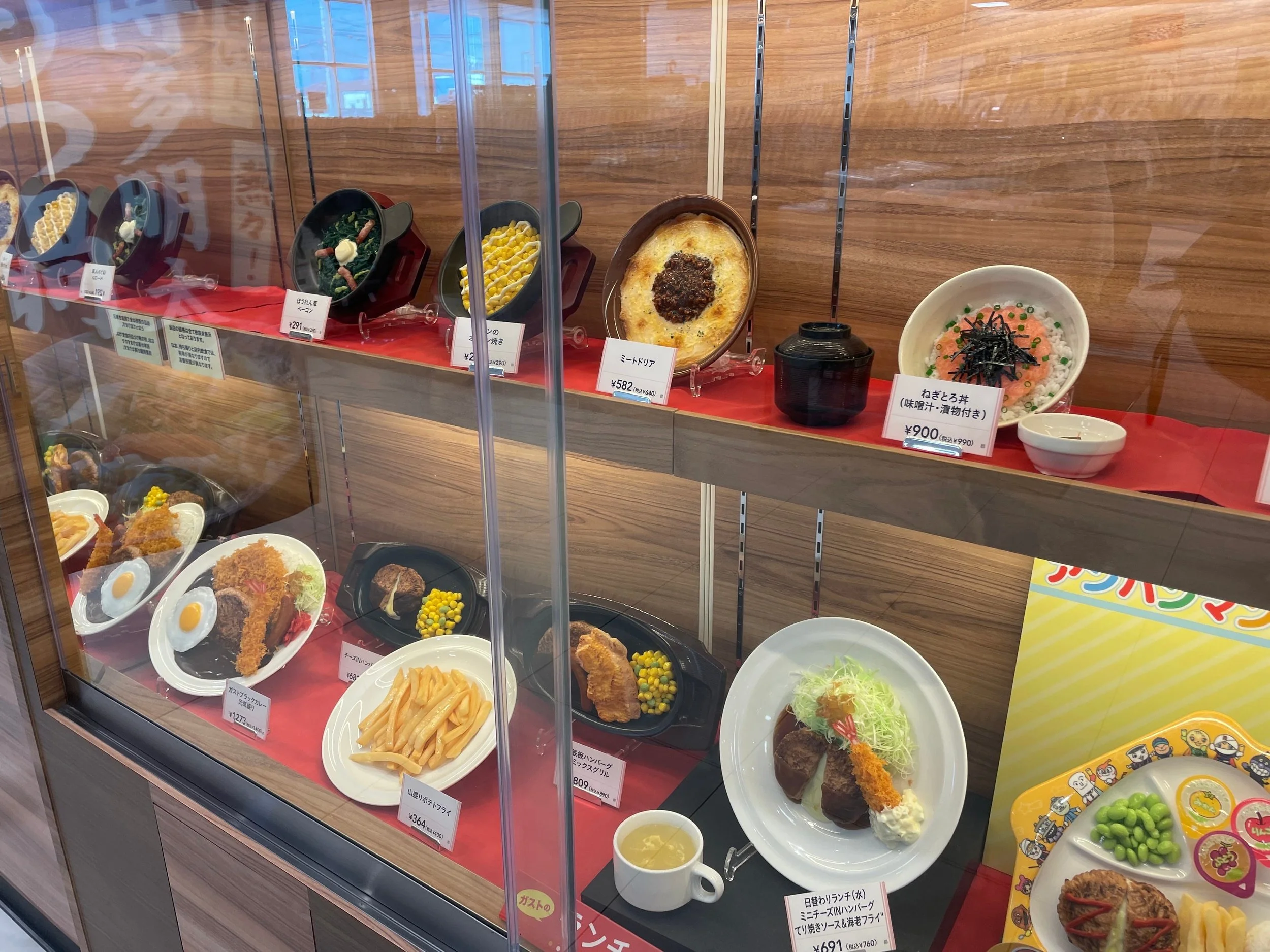
Every time we walked past a restaurant, she was captivated by the display at the entrance: glossy tempura, steaming ramen, towering parfaits, all lined up behind the glass. They were all food samples, the plastic dishes Japanese restaurants use to show what is on the menu, and every one looked good enough to eat.
What are Japanese food samples?
Food samples, or sampuru (食品サンプル), are realistic plastic versions of restaurant dishes, displayed so customers can see exactly what they will get, even if they cannot read the menu. The word comes from the English “sample,” but these are not free tastings. The first domestic one is credited to Takizo Iwasaki of Gujo Hachiman, Gifu, who made a wax omelet with rice in 1932. Wax later gave way to durable PVC plastic, and most pieces are still painted and finished by hand.
Other countries use food displays too, but I have never seen them as detailed, or as woven into everyday restaurant life, as in Japan.
Watching a craftsman over 70 at work
One evening, my daughter and I watched a video of a 71-year-old craftsman who has been making food samples for 53 years. The materials and techniques were beyond anything I could have imagined, and I was simply overwhelmed watching them turn into dishes that look completely real. If you only watch one video about Japanese food samples, I highly recommend this one.
By the end, she told me she really wanted to try making one herself.
Where to try it: Ganso Shokuhin Sample-ya
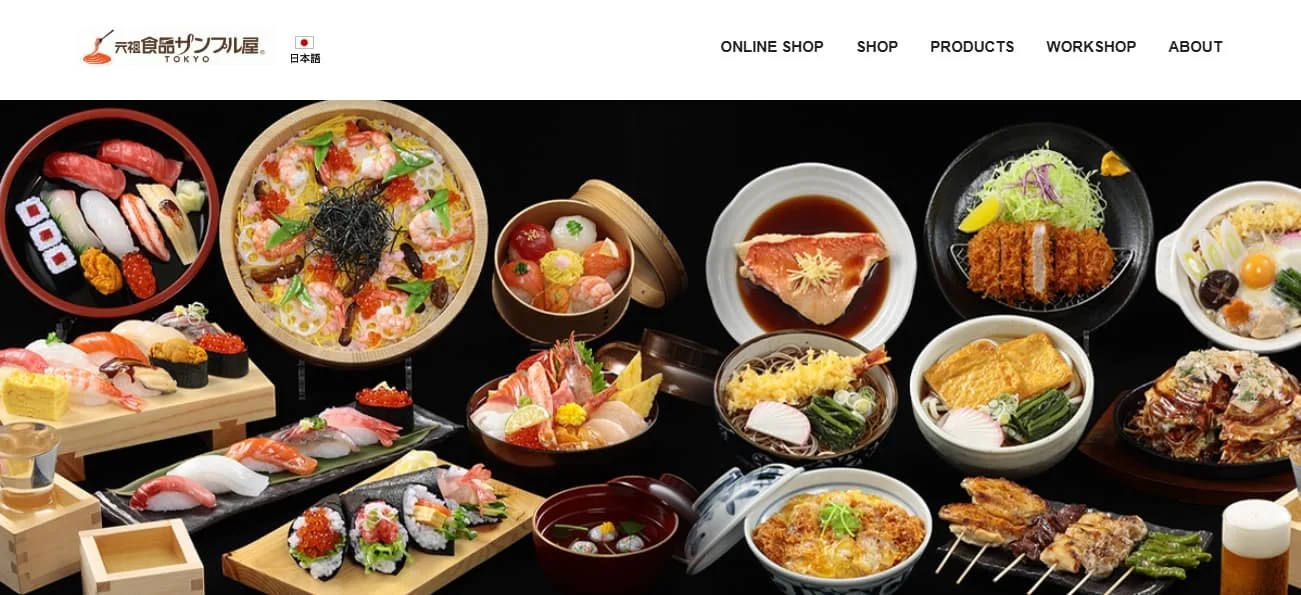
A little searching led me to Ganso Shokuhin Sample-ya, a food sample specialist in Tokyo's Kappabashi, the street known for restaurant supplies. They run hands-on classes where you make tempura and lettuce using the traditional wax technique. The details, including age limits, English support and online booking, are on their workshop page. It is on our wish list, but before we could book, something wonderful happened.
The surprise: a free workshop at our ward's kids' center
The children's center run by our ward (jidokan, 児童館) held a free food sample making event while we were there.
My daughter made kakigori, Japanese shaved ice, topped with a scoop of ice cream. She was over the moon.
If you are staying in Japan for more than a quick visit, it is worth checking the local ward or city website and the bulletin boards at community centers.
About the author
I'm a Japanese–English bilingual web designer based in Southern California. I run SoCal Creative Works, where I build bilingual websites and Shopify stores.